




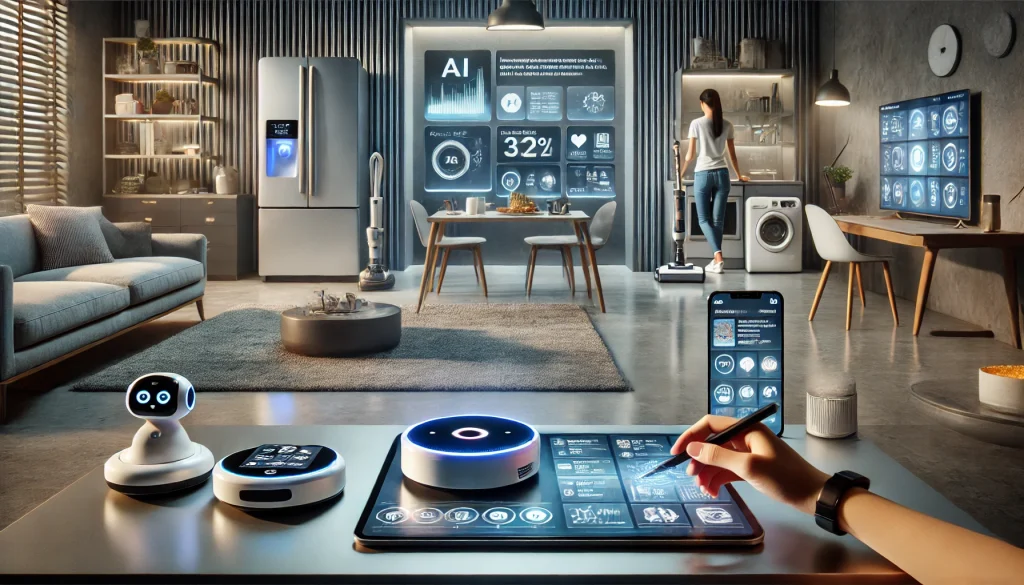
Artificial Intelligence (AI) has evolved from a futuristic concept to a pervasive force reshaping the way we live. From our smartphones to home appliances, AI is quietly embedded in many everyday gadgets, enhancing their functionality, personalization, and efficiency. This technological shift is transforming ordinary devices into intelligent systems capable of understanding, learning, and adapting to our needs.
AI in Home Appliances
Smart home appliances are becoming more intelligent, leveraging AI to improve user experiences. Smart refrigerators now recommend recipes based on the ingredients inside, while AI-powered ovens can adjust cooking settings by recognizing the type of food being prepared. Even washing machines are utilizing AI to optimize wash cycles, reducing energy consumption and improving fabric care. This integration of AI streamlines household tasks, saving both time and effort.
Virtual Assistants in Consumer Electronics
AI-driven virtual assistants, such as Siri, Google Assistant, and Alexa, have revolutionized the way we interact with devices. These assistants understand natural language commands and can manage tasks ranging from setting reminders to controlling smart home devices. As they become more sophisticated, they offer even greater personalization, learning from user behavior to provide more tailored responses and proactive assistance.
AI in Personal Electronics
The impact of AI in personal electronics, such as smartphones, is undeniable. Modern devices employ AI for everything from camera optimization to predictive text. For instance, AI algorithms in smartphones can enhance photos by adjusting settings for lighting and clarity, or even recognize faces to focus better on subjects. AI also improves battery life by intelligently managing power usage based on your routine, making your devices smarter and more efficient.
AI in Consumer Entertainment
AI is also shaping how we experience entertainment. In televisions, AI algorithms adjust picture settings based on room lighting and ambient conditions, ensuring optimal viewing quality. Some TVs can now translate foreign languages in real-time, allowing for a seamless experience when watching international content. These intelligent systems make devices more adaptable, ensuring they cater to individual preferences and environmental factors.
AI-Powered Robotics for the Home
Robotics is another area where AI is making a significant impact. Robots such as home assistants are becoming more common, equipped with AI to help with everyday tasks like monitoring pets, projecting workout routines, or controlling smart appliances. These robots are designed to adapt to the home environment, providing both convenience and added functionality, much like an extension of the smart home ecosystem.
The Future of AI in Everyday Gadgets
Looking ahead, the integration of AI with the Internet of Things (IoT) is driving the next wave of innovation. AIoT (Artificial Intelligence of Things) is the merging of AI with connected devices, creating systems where everyday gadgets can not only respond to user input but anticipate needs and adjust accordingly. This convergence will lead to even more intelligent, responsive devices that improve efficiency and convenience.
In conclusion, AI is reshaping the landscape of everyday gadgets, making them smarter, more intuitive, and more personalized. As technology continues to advance, the role of AI in our homes and daily routines will only expand, offering unprecedented levels of automation and personalization. This shift is not just about convenience—it’s about creating a more seamless, connected, and efficient world through intelligent technology.