





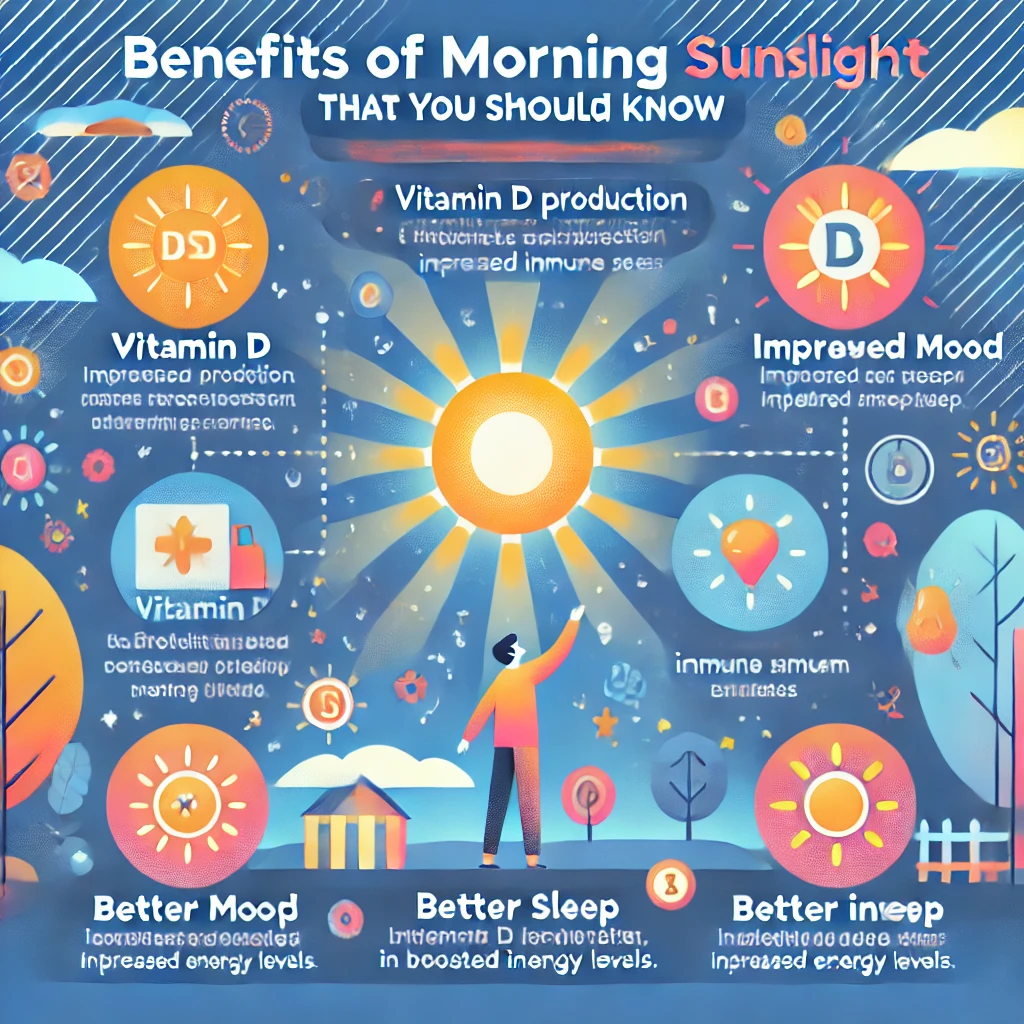
Exposure to morning sunlight offers numerous health benefits, enhancing both physical and mental well-being.


1. Regulation of Circadian Rhythms and Sleep Quality
Morning sunlight plays a pivotal role in synchronizing our internal body clock, known as the circadian rhythm. This synchronization promotes better sleep quality by regulating the production of hormones such as cortisol and melatonin, which govern our sleep-wake cycles. Consistent morning light exposure can lead to improved sleep patterns and overall restfulness.
2. Enhancement of Mood and Mental Health
Exposure to natural light in the morning stimulates the release of serotonin, a neurotransmitter that contributes to feelings of well-being and happiness. Elevated serotonin levels are associated with improved mood and reduced risk of depression, particularly in cases of seasonal affective disorder (SAD). Engaging in morning outdoor activities can be a natural mood booster.
3. Production of Vitamin D
Sunlight exposure enables the skin to synthesize vitamin D, which is essential for bone health, immune function, and the prevention of certain diseases. Morning sunlight, with its moderate ultraviolet B (UVB) rays, allows for vitamin D production while minimizing the risk of skin damage from more intense midday sun.
4. Improvement of Cognitive Function
Moderate UV exposure has been linked to enhanced cognitive functions, including better motor learning and memory. This improvement is attributed to a specialized glutamate biosynthetic pathway in the brain, initiated by UV-induced increases in urocanic acid levels.
5. Support for Immune System
Regular exposure to sunlight has been shown to strengthen the immune system by promoting the activity of T cells, which play a crucial role in defending the body against infections. This immunological benefit underscores the importance of incorporating sunlight into daily routines.
6. Regulation of Blood Pressure
Exposure to sunlight can lead to a modest reduction in systolic blood pressure. This effect is mediated by the release of nitric oxide from the skin upon UV exposure, contributing to cardiovascular health.
7. Eye Health
Adequate daily exposure to bright light is necessary for children to avoid myopia (nearsightedness). However, prolonged exposure to intense sunlight without protection can increase the risk of cataracts and other eye diseases, so appropriate eye protection is recommended.
8. Hormone Regulation
Morning sunlight exposure influences the regulation of various hormones beyond melatonin and serotonin, impacting appetite, digestion, and overall hormonal balance. This regulation contributes to metabolic health and can aid in weight management.
9. Skin Health
While excessive sun exposure can lead to skin damage, moderate morning sunlight can have beneficial effects on certain skin conditions, such as psoriasis and eczema, by reducing inflammation and promoting healing.
10. Enhanced Energy Levels
Exposure to morning sunlight can lead to increased energy and alertness throughout the day. This boost is partly due to the positive effects of natural light on mood and sleep quality, creating a virtuous cycle of improved well-being.
Incorporating morning sunlight into your daily routine can yield substantial health benefits. Simple practices such as taking a morning walk, enjoying breakfast outdoors, or engaging in outdoor exercise can help you harness these advantages. As with all sun exposure, it’s important to balance the benefits with skin protection measures to minimize the risk of skin damage.


